



Understanding the science behind aesthetic treatments may feel overwhelming, and it is important to seek professional guidance before undergoing any procedure. Botox is a neuromodulator that temporarily alters muscle activity, but many people do not know exactly how it functions. Although results may vary from person to person, most patients see noticeable improvements within days of treatment. There are also specific facial areas where it is most effective.
The Mechanism Behind Neuromodulation
Botox is derived from a specific bacterium, clostridium botulinum, and works by blocking nerve signals. Nerves release a chemical messenger called acetylcholine to signal muscles to contract, but Botox interrupts this process. After injection, the substance binds to nerve endings near the site, preventing acetylcholine release. The muscle does not receive the signal to contract, so it stays relaxed. This temporary paralysis prevents the skin above the muscle from creasing. Dynamic wrinkles form when muscles move repeatedly, and these lines become etched into the skin over time. By relaxing the underlying muscle, Botox softens existing lines or prevents new ones from forming deeper. The body naturally metabolizes the substance over three to four months. Muscle function gradually returns to normal.
Treating the Upper Face
The upper face is the most common area for Botox treatments because expressive muscles here are active. Patients often request treatment for horizontal forehead lines, which appear when you raise your eyebrows in surprise. The frontalis muscle spans the forehead, and relaxing it smooths the overlying skin. Treating this area requires precision; too much product risks making the eyebrows feel heavy or droop slightly. For some, the improvement in forehead lines gives a more rested appearance. Dosing must be tailored according to muscle strength and facial structure.
Another primary target is the glabellar complex, or the area between the eyebrows. These vertical lines, often called “11 lines” or “frown lines,” may make a person look angry. When Botox injections relax the corrugator muscles responsible for frowning, the skin between the brows becomes smoother. Reducing muscle activity here softens the expression and allows you to maintain natural facial movements. Providers often use several small injections in this area for uniform results and to prevent unevenness. Care is taken to avoid spreading Botox beyond the targeted muscles. Results for the forehead and glabellar region are usually noticeable within a few days and peak at about two weeks.
Related News

Addressing Lines Around the Eyes
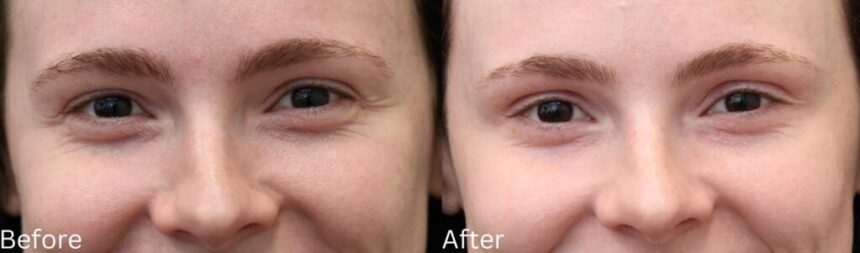
The delicate skin around the eyes is often the first place to show visible signs of aging. Crow’s feet spread out from the corners of the eyes, and they deepen when you smile or squint. The orbicularis oculi muscle encircles the eye, and its frequent contraction causes these fan-shaped wrinkles to develop. Botox targets the outer portion of this muscle, allowing the skin to relax while your smile stays genuine. Treating this area opens up the eyes visually. Some providers also address “bunny lines,” wrinkles that form on the sides of the nose. These lines appear when you scrunch your nose. Treating them creates a more harmonious appearance across the mid-face. Small doses are effective here, but placement must be exact to avoid affecting your smile.
Schedule Your Botox Consultation Today
Botox offers a targeted approach to managing facial aging by addressing the root cause of dynamic wrinkles. The treatment is temporary and reversible, but it requires a skilled provider for safety and natural-looking results. Consult a qualified professional who will thoroughly assess your facial anatomy and determine whether you are a suitable candidate. Contact your office to book an appointment or discuss your aesthetic goals today.