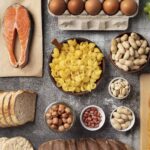






Prostate cancer develops in the prostate gland, and this small organ is located just below the bladder in men. This condition often leads to a range of physical challenges, especially during treatment when the body’s needs may change. For individuals undergoing prostate cancer treatment, nutrition plays a supportive role in overall well-being and strength. Here are some nutrition and diet tips during prostate cancer treatment:
Prioritize Plant-Based Foods
A diet rich in plant-based foods provides an array of vitamins, minerals, and fiber. Fruits and vegetables contain antioxidants, which are compounds that help protect cells from damage. Increasing your intake of plant-based foods often supports digestion, and it can help maintain a healthy weight, which is beneficial during cancer treatment. These foods often supply phytonutrients, such as flavonoids and carotenoids, which give plants their color and have health benefits. Include a variety of colorful produce, such as:
- Leafy greens
- Berries
- Cruciferous vegetables
- Carrots
- Sweet potatoes
Legumes, including beans, lentils, and chickpeas, are excellent sources of protein and fiber. Whole grains like oats and brown rice also provide key nutrients, and they may help maintain steady energy levels. Integrating nuts and seeds, which provide healthy fats, adds additional protein.
Avoid Meats That Impact Cancer Growth
Certain types of meat may influence the body in ways that are not beneficial during prostate cancer treatment. Red meats, such as beef, pork, and lamb, and processed meats like sausage and hot dogs, have been linked to an increased risk of various health issues. Some preservatives found in processed meats, including nitrates and nitrites, may influence cancer growth. Reducing your intake of these meats helps lower exposure to these substances, and it supports your overall health during treatment.



Choosing alternative protein sources is a practical step. Lean proteins such as poultry and fish, along with plant-based options, are suitable replacements for red and processed meats, and they can be included in a variety of meals. This dietary shift helps reduce the intake of specific fats and cooking-related byproducts, as it can influence the body’s response to treatment.
Limit Processed Foods
Processed foods often contain high levels of sodium, unhealthy fats, and added sugars with little nutritional value. These foods are usually high in calories but low in fiber and key nutrients, leading to weight gain and reduced energy. Processed foods often affect how your body manages blood sugar, and it may result in spikes or crashes that leave you feeling tired. Opting for whole, unprocessed foods allows for greater control over your diet. Preparing meals at home using fresh ingredients is a direct way to manage what you consume. Swapping sugary sodas for water and choosing fresh fruit over packaged desserts are simple yet effective changes.



Work With a Prostate Cancer Specialist
Navigating dietary changes during prostate cancer treatment often benefits from expert support. An oncology nutrition specialist can provide advice tailored to your needs, and they help you make dietary decisions during treatment. These professionals account for your health status, treatment side effects, and challenges you face with eating or digestion. They can also help you manage symptoms such as fatigue, changes in appetite, and changes in taste, which are common concerns during cancer treatment. If you have questions about your nutrition or need personalized guidance, schedule a consultation with a prostate cancer specialist.