





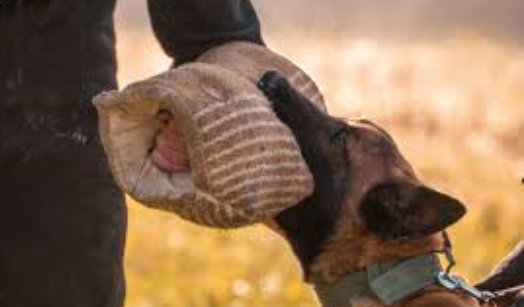
While interactions with animals can be part of daily life, these encounters can occasionally result in a bite. Animal bites lead to injury or infection. Understanding why an animal bites helps you know what behaviors to watch for, so you can take steps to keep yourself safe. Here is more information about recognizing animal behavior to avoid getting bitten:
Rabies or Illness
An illness or injury can make an animal behave unpredictably. Since animals in pain may be more likely to bite, you should be cautious around any animal that appears sick. Rabies is a specific disease that causes unusual behavior in animals. Keep your distance from any animal exhibiting these behaviors, and report it to your local animal control authorities.
Signs of Aggression
Aggressive behavior in animals is a clear warning before a bite occurs, and these animals may display specific postures. When an animal becomes aggressive, it could stare directly at you with a stiff body, and it may also raise the fur on its back. This display is meant to make the animal look larger and more intimidating.
An animal might also show its teeth or growl deeply, and this is a clear signal to stay back, and you should take this sound seriously. Recognizing these vocalizations, which are definite warnings, is a key part of avoiding a bite. Some animals may charge or lunge without making contact as a final warning before they attack.



Animals showing these signs are communicating their intent to defend themselves or their territory. It is wise to move away slowly and calmly from an animal displaying aggressive behaviors. Do not turn your back or run, because this tends to trigger a chase response. Maintaining a calm and deliberate retreat is a more effective approach.
Fear Behaviors
Fear can also lead to animal bites. An animal that feels trapped or scared could bite defensively. By cowering or tucking its tail between its legs, it tries to make itself look smaller. Their ears may be flat against their head, and they avoid eye contact.



A frightened animal’s behavior can be unpredictable, so it is best to give it space. Some signs of fear are subtle; a dog yawns or licks its lips repeatedly when it feels stressed. These actions are typically mistaken for contentment, but they indicate anxiety.
Instinct to Protect Babies
A mother animal’s instinct to protect her young is powerful, and she may view any approach as a threat. Never get between a mother and her offspring, as this provokes a protective, aggressive response. You could see a mother animal place her body between you and her babies.
Even animals that seem friendly may become aggressive when their young are near. She will react defensively if she perceives a danger to her babies. Be mindful of your surroundings, especially during spring and summer when many wild animals have their young.
Some specific signs a mother animal is feeling protective include:


- Vocalizing, such as hissing or growling
- Hiding her young
- Blocking your path
- Staring intently at you
Get Treated for Animal Bites
If an animal bites you, fast medical care is necessary to prevent infection or other complications. A healthcare provider assesses the bite and determines if you need stitches, a tetanus shot, or other treatment. They also help you evaluate the risk of rabies, which may require a series of shots if the animal’s vaccination status is unknown. Contact emergency services today to schedule an appointment for prompt and professional care for any animal bite.