





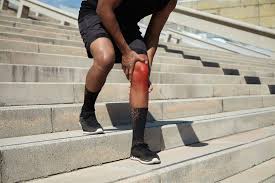
Recovery strategies allow athletes to maintain high training volumes. Many professionals and amateurs utilize compression socks to support this process. You see them on runners, basketball players, and travelers. These tight-fitting garments serve a specific physiological purpose. They aim to assist the body’s natural circulatory systems. Understanding how they function helps in adding them to a routine.
How Do Compression Socks Work?
Compression technology relies on graduated pressure. The knit is tightest around the ankle and decreases in pressure up the leg. This squeezing action fights the effects of gravity. Blood often pools in the lower extremities when standing or sitting. The socks push fluid back into the general circulation. This action supports the veins as they return blood to the heart.
Muscle oscillation occurs when the feet strike the ground. This vibration happens with every step during a run. Over time, this movement causes microscopic tears in the muscle fibers. Compression socks hold the calf muscles firmly in place. Reducing this movement may reduce tissue damage. Less damage often leads to less soreness later.
Oxygen delivery remains a key performance factor since muscles need oxygen to function efficiently. The pressure from the socks may improve arterial blood flow; more blood reaching the muscle means more oxygen. This process might delay fatigue during long events. It keeps the legs feeling fresher for longer periods.



When Should Athletes Wear Them?
Knowing the optimal time to use compression gear maximizes the benefits. You can incorporate them into various parts of your training cycle. Many athletes wear them solely for travel. Sitting for hours on a plane or bus restricts blood flow. Wearing socks during these times keeps circulation active.
- During flights or long car rides to competitions
- Throughout endurance events like marathons
- Immediately after high-intensity interval training
- While sleeping or resting on recovery days
Some individuals prefer wearing them during the activity itself. Runners often sport them to protect their legs from scratches on trails. The extra layer provides warmth on cold days. Others find the tightness uncomfortable during high exertion. You must test them in training before a big race. Personal preference dictates the usage schedule.



Why Use Them Post-Workout?
Recovering after exercise is just as significant as the workout itself. What you do immediately after training can significantly impact how fast and well your body bounces back. Compression socks are a simple yet effective tool to support recovery, addressing both physical and psychological aspects.
- Reduce soreness: Compression socks minimize swelling by limiting the space for fluid buildup, which helps reduce delayed-onset muscle soreness (DOMS).
- Enhance circulation: By supporting the venous system, these socks help flush waste such as lactate, creating an optimal environment for tissue repair.
- Speed up recovery: Faster tissue repair means you can maintain your training intensity and get back to working out sooner.
- Support psychological recovery: Putting on recovery gear signals your body and mind that it’s time to rest, offering a feeling of stability and comfort for tired limbs.
- Feel lighter the next day: Many athletes report a noticeable difference in how their legs feel, describing them as fresher and less fatigued.
Incorporating compression socks into your recovery routine can make a big difference in how your body adapts to intense training. By reducing soreness, improving circulation, and promoting mental recovery, you’ll be better prepared to tackle your next workout.
Consult a Specialist
You should confirm that these garments suit your health profile. A qualified specialist provides the best guidance for your needs. Vascular issues might make compression inappropriate for some individuals. A doctor or physical therapist can measure your legs for proper sizing. Correct fit dictates the effectiveness of the pressure gradient. Wearing the wrong size can restrict flow rather than help it. Reach out to a local sports clinic to discuss your recovery plan.