





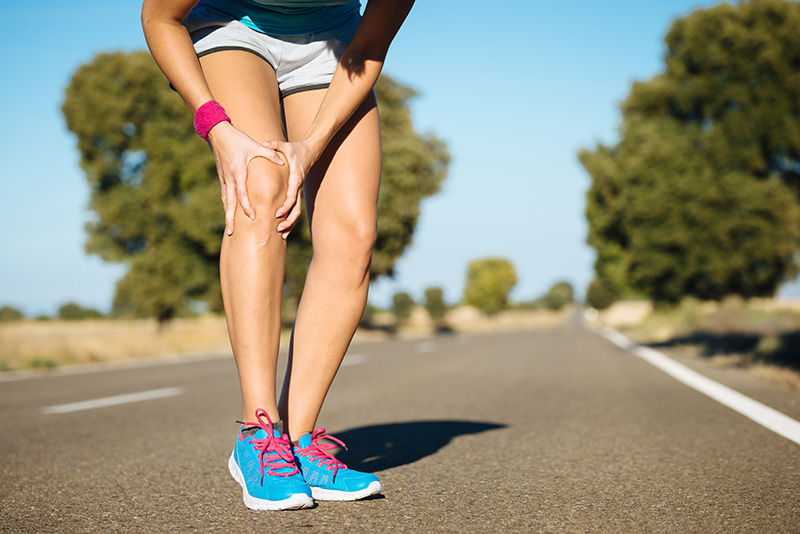
Knee pain can develop during physical activity, particularly when joints undergo repetitive motion, improper technique, or inadequate conditioning. Without preventive measures, minor strain can progress into ongoing discomfort that limits performance and mobility. Here are practical tips for preventing knee pain during physical activities:
Warm Up Properly
Warming up is a fundamental component of any exercise regimen, as it prepares your body for intense activity. A proper warm-up increases the body’s core temperature and blood flow to the muscles. This physiological change reduces knee joint stiffness and prepares the tendons and ligaments for the stress they are about to endure. Dynamic stretching is often more effective before a workout because it involves movement that mimics the activity you are about to perform. Skipping this helpful step increases the risk of knee pain, strains, sprains, and other knee injuries.
Strengthen Knee Muscles
The stability of the knee joint relies heavily on the strength and conditioning of the surrounding muscles. Here are specific muscle groups that provide a natural brace that absorbs shock and maintains proper joint tracking:
- Quadriceps Femoris: These large muscles on the front of the thigh are the primary stabilizers of the knee, and they control the tracking of the patella (kneecap) during movement.
- Hamstrings: Located on the back of the thigh, the hamstrings work in opposition to the quadriceps to bend the knee and control the leg during the swing phase of running or walking.
- Gluteal Muscles: The glutes play a significant role in controlling the alignment of the hip and the femur.
- Calf Muscles: The gastrocnemius and soleus muscles assist with knee flexion and stability, and they help absorb impact forces from the ground.
Developing a targeted strength-training program that addresses these muscle groups creates a support system for the knee joint. This reduces the burden on the ligaments and cartilage and minimizes the risk of chronic knee pain.



Use Proper Technique
Biomechanics plays a substantial role in knee health, as improper form can distribute forces unevenly across the joint surface. Here are factors that support proper technique:
- Footwear Selection: Proper footwear absorbs ground reaction forces that would otherwise be transmitted up the tibia to the knee joint, reducing knee pain.
- Movement Mechanics: Correct form distributes weight evenly across the joint surfaces, preventing localized wear and tear on the meniscus and cartilage.
- Knee Braces or Supports: For individuals with a history of injury or mild instability, using a compression sleeve or a hinged brace can provide proprioceptive feedback and mechanical support.
- Surface Contemplation: Choosing the right environment can reduce the cumulative stress placed on the joint over time.
Adhering to these technical principles and using appropriate equipment reduces mechanical stress on the knee.


Modify Activity as Needed
Pain is a specific biological signal indicating that tissue damage may be occurring or is imminent. Ignoring knee pain during physical activity often exacerbates minor issues, turning them into severe injuries that require medical intervention. If you experience persistent pain, swelling, or instability, modify your activity level or switch to lower-impact exercises. Rest is also a key component of any injury prevention strategy, as it allows the body’s natural repair processes to function. Pushing through pain can lead to compensatory movements. The body alters its mechanics to avoid discomfort, which can cause injury to other parts of the body, such as the hips or ankles.
Book Your Knee Pain Appointment
Preventing knee pain requires a multifaceted approach that includes proper preparation, muscular strengthening, and activity modification. The knee is a resilient joint, but it requires deliberate care to function optimally under the stress of physical activity. Integrating these strategies into your daily routine will help you protect your knees from injury and maintain mobility. For persistent knee joint pain or concerns about your joint health, contact a pain management specialist near you to book your knee pain appointment today.