




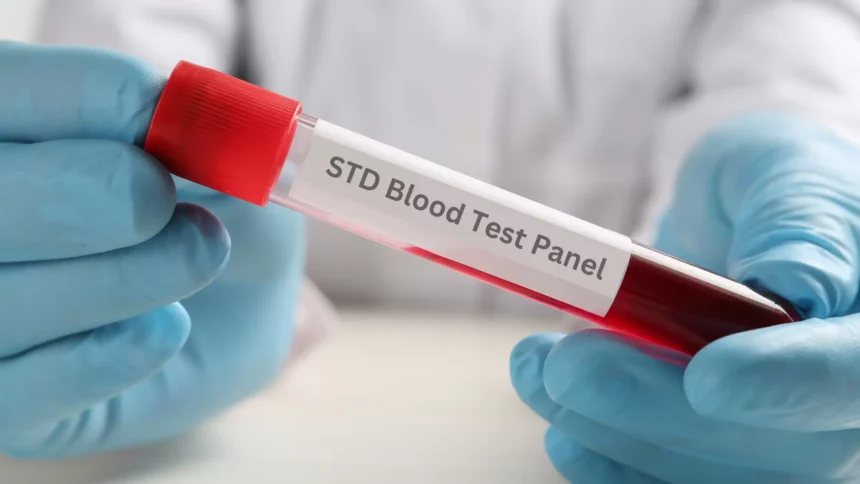
Routine STD screenings help you monitor your health and provide medical information if an infection is present. These tests offer clarity for you and your partners, and they enable you to take steps to promote the long-term health of your partners and yourself. Here is more information about STD testing and what to do after the results come in:
Understanding STDs and Screenings
To identify infections that spread through sexual contact, many patients undergo STD screenings. Medical providers collect blood work, swabs, or urine samples to check for specific pathogens. You might feel a bit of pressure during a swab, but the collection is usually very brief. Regular testing is a proactive way to maintain your overall health.
You might choose to get tested if you have a new partner or notice unusual physical changes. Some infections do not cause visible symptoms, so asymptomatic testing is a tool for early detection. Because many people carry infections without knowing it, routine checkups protect both you and your partners. Talk to a professional about your history to determine the best testing schedule for your unique situation.
Identifying Conditions and Diseases
A standard screening can find several common conditions that have an impact on physical health. Healthcare providers may test for the following infections:



- Chlamydia
- Gonorrhea
- Syphilis
- Human Immunodeficiency Virus (HIV)
- Human Papillomavirus (HPV)
Providers use these results to create a management plan for your specific needs.
Some infections are curable with a round of antibiotics, but others require long-term management. While HIV and herpes are incurable, modern antiviral medications help patients lead long and healthy lives. You can manage chronic conditions with consistent medical care and lifestyle adjustments. Following a treatment plan reduces the risk of future health complications for you and your partners.



Exploring Rights and Responsibilities
Patients have the right to confidential testing and informed consent during every medical visit. Your results are protected by privacy laws, and your provider cannot share them without your permission. You have a right to receive clear explanations about your diagnosis and treatment options.
If you receive a positive result, you have a responsibility to notify your sexual partners. Informing others allows them to seek their own medical evaluations and necessary treatments. Practicing safe sex is an ethical way to avoid spreading an infection to someone else. Some preventative tools include condoms and dental dams, which reduce the risk of spreading sexually transmitted diseases; you can discuss with your healthcare provider how to handle a positive result responsibly.
Learn More About STD Screenings
Regular testing for sexually transmitted diseases is one component of a responsible health routine, and it can promote long-term wellness for you and your partners. If your STD screening test comes back with a positive result, you have a responsibility to protect your partners by notifying them of their exposure to an STD. Many STDs are curable or improve with treatment, and your provider may prescribe medication or give guidance on your next steps after the screening. You can learn more about STD screenings by consulting a reproductive healthcare provider near you.