






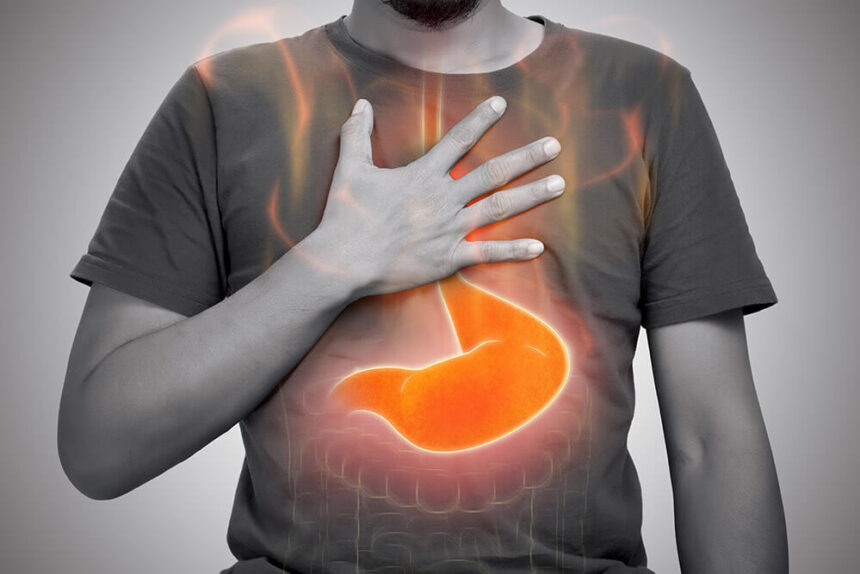
Living with Ulcerative Colitis often requires ongoing management to reduce symptoms and maintain daily function. The condition can present physical challenges as well as emotional and lifestyle concerns that extend beyond digestive health. Here are effective ways to cope with Ulcerative Colitis:
Managing Symptoms Medically
Medical treatment is the primary method for controlling ulcerative colitis. The goal of medical therapy is to induce and maintain remission to improve the patient’s long-term prognosis. Doctors often prescribe medications to reduce inflammation in the colon tissues and promote healing. Symptoms like diarrhea, rectal bleeding, and abdominal pain often decrease once inflammation is under control. Regular check-ups with a gastroenterologist make sure that the treatment plan remains effective and is adjusted to any changes in the patient’s condition.
Supporting Digestive Health
Diet does not cause ulcerative colitis, but certain foods can aggravate symptoms during a flare-up. Paying attention to nutrition helps manage digestive comfort and maintain overall health. Here are digestive health tips patients can incorporate:
- Limit high-fiber foods, such as whole grains and raw vegetables, during flare-ups to reduce bowel frequency.
- Avoid spicy foods, alcohol, and caffeine, as these can irritate the digestive tract.
- Eat smaller, more frequent meals throughout the day instead of three large meals to reduce the workload on the digestive system.
- Stay hydrated by drinking plenty of water, especially during episodes of diarrhea, to prevent dehydration.
- Keep a food diary to identify specific foods that trigger symptoms and discuss these findings with a doctor or dietitian.
Modifying dietary habits enables patients to identify triggers and reduce discomfort during flare-ups.



Reducing Emotional Stress
Stress management is a helpful component of coping with ulcerative colitis. While stress does not cause the disease, it can trigger flare-ups or make existing symptoms worse. The brain and the gut are connected; emotional tension can elicit physiological digestive responses. Finding effective ways to manage daily stressors is beneficial for managing symptoms.
Patients can explore various techniques to lower stress levels. Regular, low-impact exercise like walking or swimming can reduce tension without straining the body. Relaxation techniques, such as deep-breathing exercises or meditation, can also calm the nervous system. Speaking with a mental health professional may also help with strategies for handling the emotional challenges of living with a chronic illness.



Building Better Routines
Establishing a consistent daily routine can help individuals take an active role in managing their condition. Planning ahead reduces anxiety related to symptoms like urgency or incontinence. Here are tips for building better routines:
- Plan access to restrooms when leaving the house to reduce anxiety about urgency.
- Pack an emergency kit with wipes, extra clothing, and necessary medications for unexpected situations.
- Schedule medications at the same time each day to make sure doses are not missed.
- Communicate with employers or school officials about the condition to arrange necessary accommodations.
- Prioritize adequate sleep and rest to support the body’s healing and proper function.
Creating a structured environment helps patients navigate daily activities with less disruption.
Book Your Ulcerative Colitis Appointment
Ulcerative colitis is a long-term condition that requires ongoing attention and care. Combining medical treatment with dietary adjustments and practical daily routines helps patients manage their symptoms. Contact a qualified gastroenterologist in your area today to book your appointment and discuss a personalized management plan.