






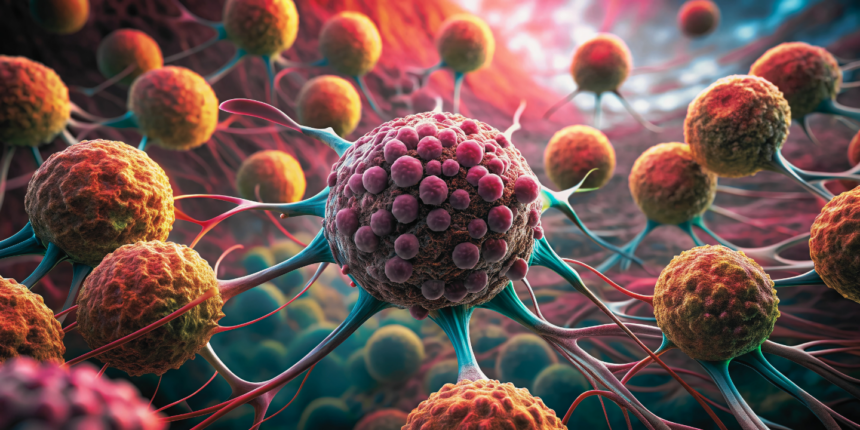
Sarcoma is a form of cancer that grows in connective tissue, and these areas include bones, muscles, tendons, cartilage, and fat. Because connective tissue exists throughout the body, a cancer diagnosis brings many questions, and understanding the condition is a first step. Here is more information about the sarcoma types, causes, and treatments:
Various Types
There are more than 70 types of sarcoma, and they range in severity. While doctors categorize sarcomas by where they grow in the body, they fall into two main groups. There are soft tissue and bone sarcomas. Soft tissue sarcomas may form in fat, muscle, or nerves, and bone sarcomas form in the skeletal system.
Mutated DNA
Healthy cells follow instructions from their DNA, telling them when to grow and when to die. In a sarcoma, a cell’s DNA mutates, so the instructions change. The cells then grow and multiply when they shouldn’t, and they don’t die on schedule. These abnormal cells accumulate and form a tumor.
The exact cause of the DNA mutation may be unknown. In some instances, the genetic changes are inherited from parents. In other cases, DNA mutations happen after birth, not because of an inherited gene. Certain factors, such as exposure to specific chemicals or radiation, may increase the risk of developing these mutations, but a direct link is not always clear.


Multiple Therapies
Treatment plans can be tailored to your specific situation. The type, size, and location of the sarcoma will determine the best approach, which may include one or more therapies. A healthcare team works to remove the cancer while preserving body function.
A standard treatment for cancer is surgery to remove the tumor. Doctors may also use other therapies to shrink a tumor before an operation or to destroy any remaining cancer cells afterward. Therapies used alongside surgery include:



- Chemotherapy
- Radiation Therapy
- Immunotherapy
- Ablation
Chemotherapy uses powerful drugs to kill cancer cells, and it is typically administered intravenously. Radiation therapy uses high-energy beams, such as X-rays, to target and destroy cancer cells in a specific area. If a sarcoma has specific genetic markers, targeted therapy drugs may be an option since these treatments attack the cancer’s unique weaknesses. Other treatments, such as immunotherapy, help your immune system fight cancer, while ablation uses heat or cold to destroy small tumors.
Ongoing Care
Follow-up appointments are a part of your long-term care plan. After treatment is completed, you may have regular checkups with your doctor. These visits help monitor your recovery and check for any signs of the cancer returning. The frequency of these appointments will decrease over time if you remain in good health.
- Surgery: Typically, the primary treatment, surgery, aims to remove the tumor while preserving as much healthy tissue as possible.
- Support Services: Psychological counseling, support groups, and nutritional guidance may be available to help patients manage emotional and physical challenges during recovery.
Get Treated for Sarcoma
Understanding a sarcoma diagnosis is a process, and your medical team is there to guide you through it. They will provide information about the sarcoma type and create a personalized treatment plan. Contact a healthcare provider to discuss your specific diagnosis and begin the treatment process.